
SCT / PLATFORM 01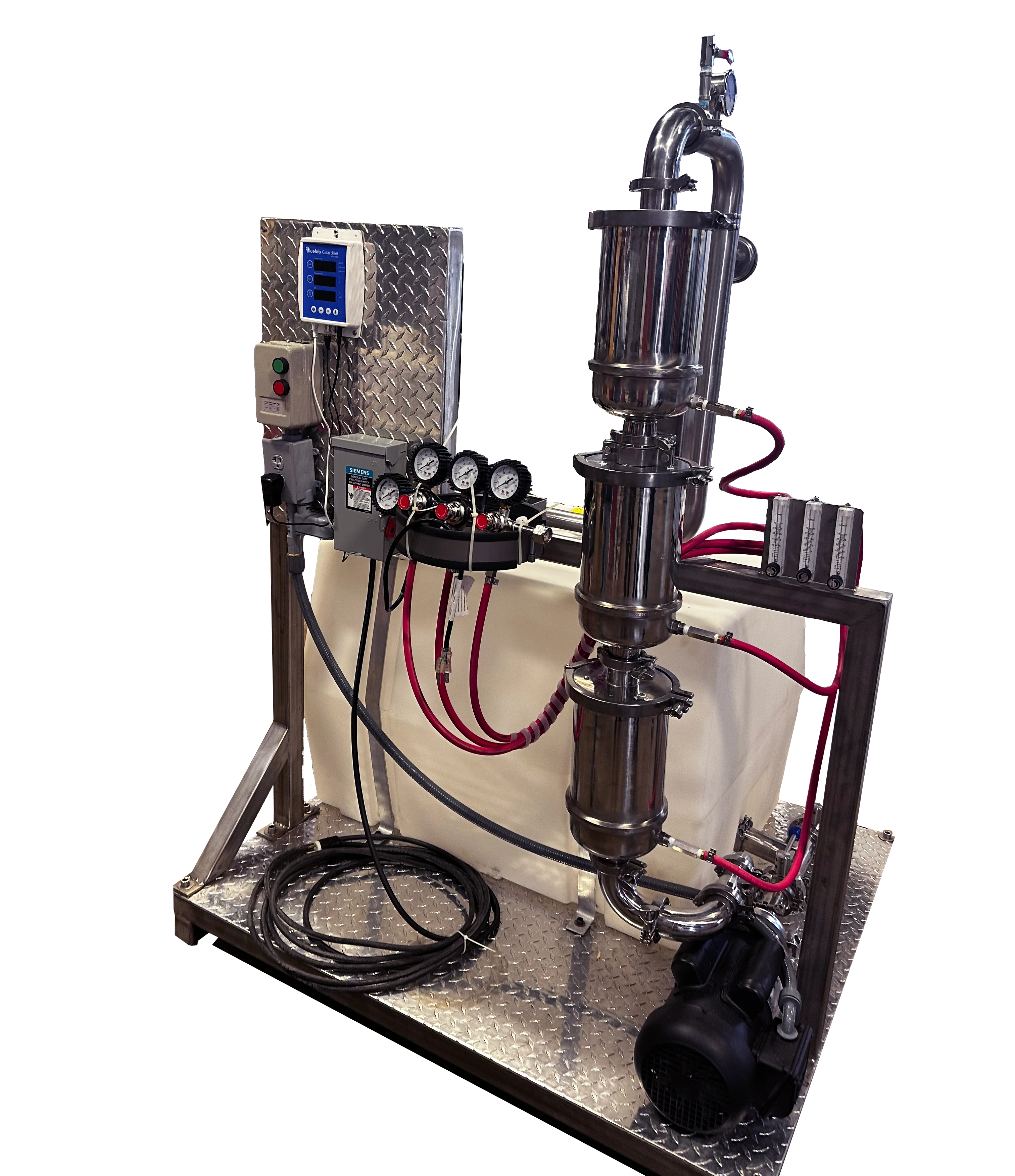 Working development platform
ENGINEERED WATER / APPLICATION PLATFORM
Water, engineered
for critical work.
SC Technologies develops controlled CO₂-in-water systems around real operating duties—connecting water chemistry, mass transfer and delivery hardware for critical response and industrial applications.
01ENGINEER02VALIDATE03INTEGRATE04DEPLOY
Start with the operating question
Four entry points.
One disciplined process.
The right first conversation depends on your role and the decision you need evidence to support. Choose the pathway closest to the work in front of you.
01FIELD EVALUATION
Fire services & training centres
Define the response environment, comparison and outcomes a credible evaluation must measure.
Review the field pathway →02APPLICATION DUTY
Industrial operators & maintenance teams
Bring the operating condition, baseline and decision a bounded validation program should support.
Frame an application duty →03EQUIPMENT INTEGRATION
OEMs & process engineers
Separate the partner environment, platform boundary and combined-system proof.
Review the integration boundary →04TECHNICAL REVIEW
Researchers & program partners
Read the reported signal with its test context, limitations and open evidence gates intact.
Review the evidence record →The technology foundation
See the system.
Follow the work.
The opportunity is not simply to find more water. It is to make available water perform more effectively for a defined duty.
Explore how SC Technologies connects controlled inputs, mass transfer, delivery hardware and measurement in one working development platform.
SCT / PLATFORM 01 WORKING DEVELOPMENT PLATFORM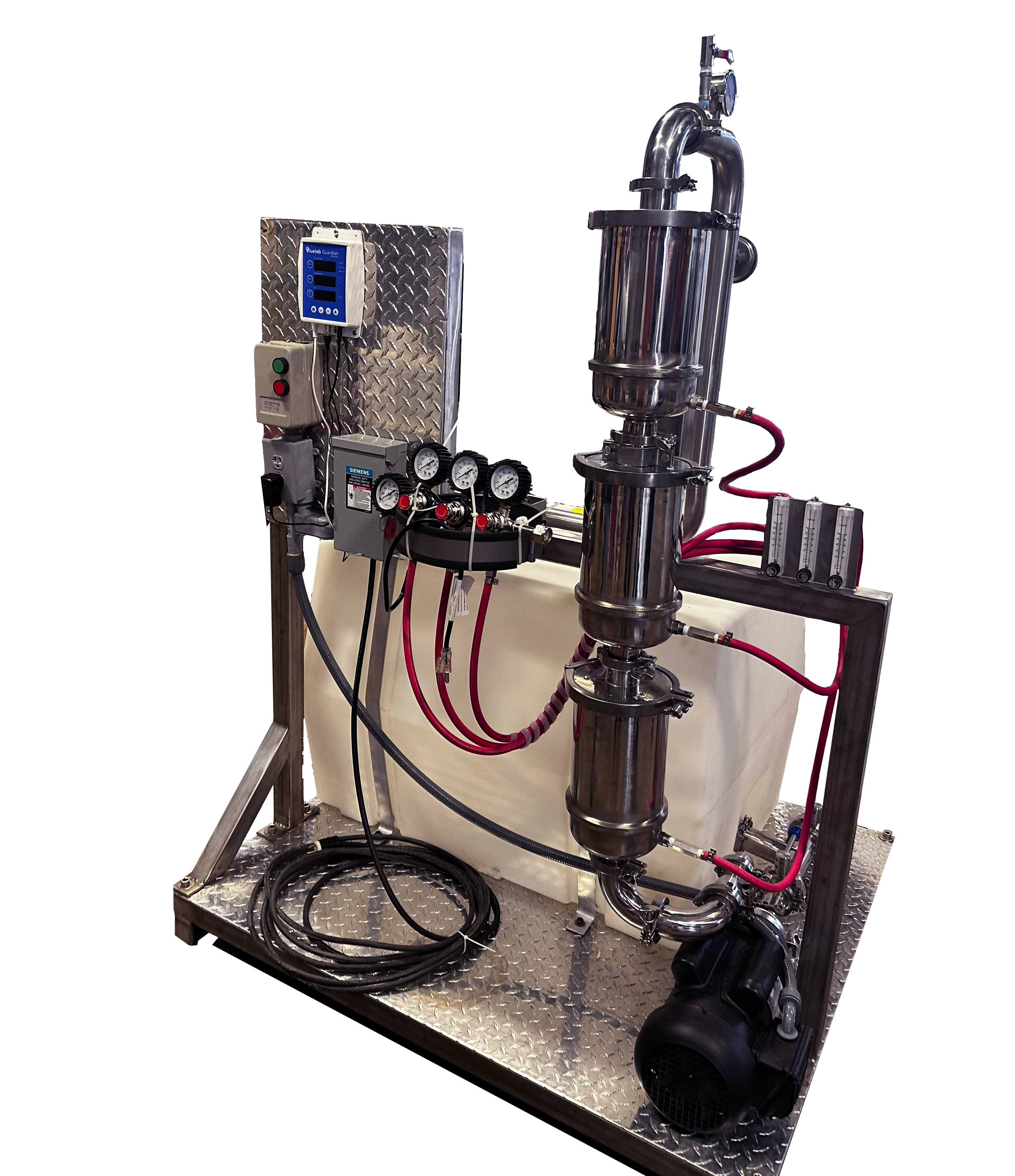
01 / METERControl the inputs.
Known source · metered input · defined operating window
Lakeland ETC · 2026
Directional signal.
Context intact.
Reported across a comparative test series conducted June 19–July 10, 2026. Results remain preliminary while repeatability and independent validation continue.
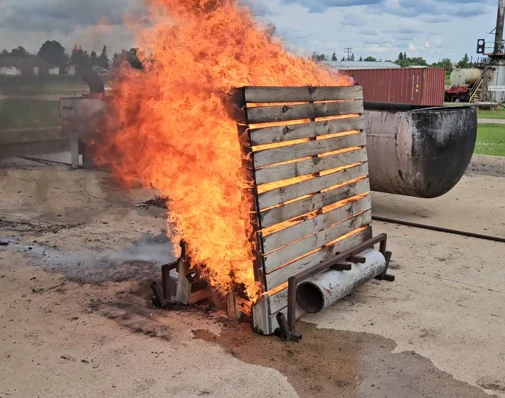
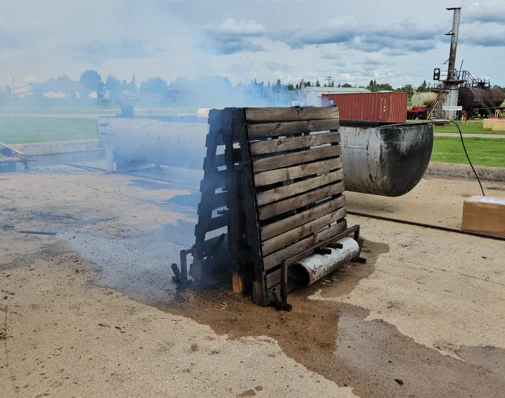
TEST CONTEXTCommon water base.
Common water base.
Defined comparison.
Small-scale tests used locally collected rainwater as the common base for untreated water and carbonic solution. Field-scale work followed with paired 200-gallon skid tanks.
Review the evidence pathway →Development portfolio
One foundation.
Three maturity levels.
Fire response leads commercialization. Adjacent opportunities advance only when technical effect, operating fit and market pathway justify the next stage.
01Field validation
Fire response
Cooling, suppression, exposure protection and reignition control.
Explore →02Development
Industrial duties
Defined cleaning and descaling applications where chemistry and economics can be measured.
Explore →03Exploration
Selective applications
Bounded screening where carbonic solution may offer a milder operating pathway.
Explore →From question to decision
Make the next
move count.
Promising technology is only useful when the duty, control and result stay in the same frame.
SC Technologies keeps the path visible—so fire services, operators and OEM partners can see what changed and what deserves the next stage.
SCT / DECISION PATH BRIEF / CURRENT GATE
01 / FRAMEStart with the real duty.
DUTY / BASELINE / DECISION
A better first engagement
Make the work
portable.
Good technical work leaves the room with more than a conversation. Put the duty, boundary and next decision in one frame—specific enough to act on, honest enough to trust.
SCT / WORKING BRIEF READY TO FRAME
01 / FIELD RESPONSE
A field question with a clear edge.
Clarify the response environment and the result a practical evaluation needs to measure.
DUTYResponse environment↗
BASELINECurrent water / equipment↗
OUTPUTEvaluation frame↗
Advance the work with us.
Bring a defined challenge.
Build the evidence together.
Fire services · Industrial operators · OEM partners · Research institutions